

If you or someone you care about are caught in the grip of addiction, the idea of quitting can feel overwhelming. Residential detox treatment in Tennessee gives you a safe, day-by-day plan for stopping drugs or alcohol.
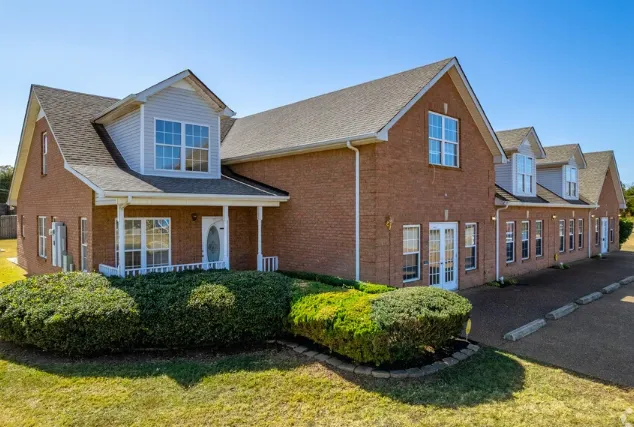
Unlike a drive-thru clinic, these programs keep you under one roof with doctors, nurses, and counselors who understand what withdrawal feels like. Peaceful mountain views and classic Southern hospitality help make the first steps a little less intimidating.
Why Detox Is Step One, Not Step Done
Detox sounds medical, but it means letting your body scrub out whatever you’ve been putting in. For most people, that chore is more tiring and gut-wrenching than they expect.
You’ll shake, sweat, or maybe even scream for a few days while the drugs first pull loose and then finally leave town. Finishing the job is what converts wishing to quit.
24/7 Eyes So You Can Rest
A residential detox isn’t just a bedroom with a bed; it’s round-the-clock supervision by people who know what the clock looks like during withdrawals. Emergency meds, breathing room, and clear-headed chats are always close.
Keeping triggers and drama out of reach slashes the odds that you’ll wander off for one last hit before the system clears. Making that choice inside the house is a lot harder than when the hit is on the sidewalk.
- Integrated Mental Health Care: People who first land in detox often carry extra weight like depression or anxiety. A good residential program puts a counselor in the room at the same hour you arrive, so help isn’t an afterthought.
- Structured Routine: Wake up, group, meals, chores-repeat. That predictable rhythm might feel small, but it stitches a sense of safety into the day and lines you up for the next treatment step.
What Makes Tennessee Ideal for Detox?
Tennessee has become a surprising stop for people hunting top-notch addiction care, especially when they want to stay in a residential detox house. The state’s charm runs deeper than its bluegrass tracks.
1. Natural Beauty and Peaceful Surroundings
The Smoky Mountains and the soft hills of Middle Tennessee make the kind of backdrop that quiets a racing mind. Doctors like to brag that trees and the open sky literally dial down stress hormones and help cravings sit still.
2. Accessibility Across the Region
Nashville, Memphis, Chattanooga, and even folks out in Kentucky or Alabama can reach a bed without catching three flights. Many centers will swing by the bus station or airport, so riding a shotgun with your suitcase isn’t a hassle.
3. State-Regulated Standards of Care
Residential detox treatment in the Tennessee Department of Mental Health keeps a close eye on detox clinics, grading everything from medication protocols to staff training. When you walk through the door, the treatment is licensed-and that word means something here.
What to Expect from a Residential Detox Program in Tennessee
If you walk into nearly any Tennessee detox house, you’ll notice the approach is pretty much all about you. Fresh patients can generally expect three rough stages to the stay, though different beds may tweak the details a bit.
Initial Assessment and Admission
Staff almost always meet you at the door with a medical and psychological clipboard. The early checklist usually covers:
- a quick drug screen plus your complete medical history
- A look at any other mental health disorders you might be juggling
- A run of vital signs, weight, and maybe an EKG if the nurse suspects trouble
- An overall scan for red-flag withdrawal risks.
- When that snapshot is finished, the clinical team sits down, hashes out the numbers, and sketches a detox game plan that suits only you.
Medically Managed Detox
Most folks spend about three to seven days in this stage, but the clock can slow down for some drugs. Highs and lows are tracked by nurses every few hours so nothing gets ignored. Doctors may hand out Suboxone, Librium, or Methadone to take the bite out of the shakes, sleep problems, and mood flips. Staff focus on keeping the room cool, the patient sipping water, and simple food within reach.
Emotional Support and Counseling
Therapy in detox isn-t just talk-it-s check-in, check-in, check-in. Counselors are on-site every day, ready to tackle a crisis before it snowballs. If families are cleared to visit, those short meetings can matter more than people guess. Group circles let peers swap stories, jokes, and occasional tough-love nudges.
Discharge Planning and Aftercare Coordination
The clock on withdrawal may stop, but the plan is still ticking. Discharge papers outline the next landing pad- whether that is a residential house, intensive outpatient gig, or daytime partial program. Admissions staff wrestle with insurance, rides, and all the paperwork that follows a clean start.
Who Needs Residential Detox?
Heavy daily use? Frequent withdrawal shakes? If either answer needs a yes. Add in PTSD, deep depression, or an unstable home, and the yes gets louder. Seizure risk, nasty hallucinations, or suicidal thoughts during tapering nail the point shut. For anyone in Tennessee facing that kind of crossroads, residential detox treatment usually becomes the safest, sharpest first move.
Family Support in Detox
Having family behind you makes a big difference during detox. Most hospitals keep visitors away at first, but they usually schedule family workshops once patients are stable. Those sessions:
- Help relatives learn what comes next.
- Teach everyone to set safe, healthy limits.
- Turn fear and blame into understanding and compassion.
Detox as a Starting Line
People often think leaving detox means the battle is over. In truth, the hard work is just warming up. If follow-up care is skipped, chances of slipping back go way up. That is why every detox unit lines up next steps, such as:
- Residential Treatment (stays of 30 to 90 days).
- Partial Hospitalization Programs (PHP).
- Intensive Outpatient Programs (IOP).
- Long-Term Therapeutic Communities.
- Weekly 12-step meetings or SMART Recovery sessions.
Paying for Detox in Tennessee
Good news: many Tennessee centers accept a wide mix of payments, including:
- Medicaid or Medicare once they clear prior authorization.
- Private plans like BlueCross, Aetna, and Cigna.
- Self-pay options that slide down with income.
- Short-term financing to spread costs over months.
Always call first and ask the admissions team to check your benefits. They will handle the paperwork, so you can focus on getting well.
The Dangers of At-Home Detox
Trying to detox in your living room instead of a clinic can backfire fast. Medical pros call that kind of gamble risky, even reckless.
Seizures and sudden heart problems might hit out of nowhere. Once the body crashes, everything else feels small.
People also end up dangerously dehydrated or weak because they stop eating. A few days later, violent mood swings turn into full-blown psychosis.
Even someone who has cleaned up before can slip into a coma or relapse the same night. Supervised detox keeps those nightmare scenarios in check.
How to Choose the Right Detox Center in Tennessee
Picking the right rehab bed is like buying a used car- nobody wants a lemon. License badges matter, so hunt for Joint Commission or CARF stickers on the wall.
Next, eyeball the medical crew. Board-certified doctors and addiction-trained nurses should be within shouting distance 24/7.
The building itself deserves a look. Quiet rooms, fresh sheets, and a calm courtyard help the mind slow down.
Ask about life after discharge. Centers that line up sober housing or AA ride home to show they aren’t just counting beds.
Families often feel shut out, but good centers pull them in with group talks. HIPAA paper shuffling also keeps the neighbors and nosy coworkers out of your business.
Before you sign anything, read online reviews and take a video walkthrough. A virtual tour exposes the little details even glossy brochures hide.
Real-Life Testimonials
Two times I quit cold turkey and two times I fell hard. Finally, I checked into a Tennessee detox center. They brought me back to life and handed me a little spark of hope I thought was gone.
–Mark, 33, Knoxville–
My daughter was caught in a benzo-alcohol spiral, and every evening felt like waiting for a storm. The residential detox in Tennessee let her stabilize first, then she moved to long-term care. Now, thank God, she’s nine months sober, and we sleep at night.
–Lisa, a mother from Nashville–
Common Myths About Detox
MYTH: Detox is nothing but agony and fear, the stuff of horror movies.
FACT: With skilled staff and the right meds, the process can feel steady and even empowering. Patients often call it exhausting but not terrifying.
MYTH: You have to hit rock bottom before anyone will help you.
FACT: The sooner you reach out, the better your odds and the less damage is done.
MYTH: Checking into a detox shows weakness or gives up on willpower.
FACT: Choosing professional help takes courage and a clear-eyed view of reality. That clarity is the first real victory.
Tennessee Detox Resources
Thinking about detoxing in Tennessee? You might want to bookmark these links first.
- TN Department of Mental Health and Substance Abuse Services keeps a running list of state-approved programs.
- Use the SAMHSA Treatment Locator if you prefer a nationwide map. Its search box works by zip code, so you can see what is closest.
- For a more local touch, Middle Tennessee Detox highlights its residential routes and quick admission reviews.
Final Thoughts: Your Journey Starts Here
Remember, recovery is a marathon, not a sprint. Each long race begins the moment one sneaker hits the ground.
Picking a residential detox program in Tennessee gives that first step a safety net. Trained staff manage withdrawal symptoms while counselors offer emotional support.
The clock keeps ticking. Those who wait often struggle longer than necessary. A phone call, or a quick tap on one of those links, can move you from thinking about help to getting it.

