

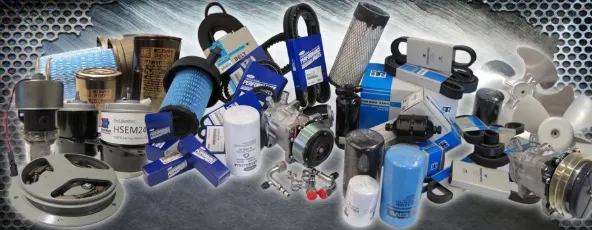
If you run a reefer, you already know the name Thermo King. Whether you’re moving food, meds, flowers, or anything that needs to stay cold, keeping temps steady is the key point. One breakdown can mean losing thousands in spoiled cargo — so yeah, parts matter.
When it’s time to replace something, it’s easy to feel stuck. Do you drop big money on OEM parts, or take a shot on cheaper aftermarket ones? This guide lays it all out — the good, the bad, and what to watch for — so you can make the call that keeps your rig running and your wallet intact.
OEM vs. Aftermarket Parts
Before you can choose a specific part, you need to decide which route to take. Both Original Equipment Manufacturer (OEM) and aftermarket parts have their place, and understanding their pros and cons is the first step.
OEM (Original Equipment Manufacturer) Parts
These are parts made by or for Thermo King and sold through their authorized dealer network.
Pros
- Guaranteed Compatibility: You know the part will fit and function exactly as intended. There is no guesswork.
- Perceived Quality: OEM parts come with the brand’s reputation and are generally seen as the benchmark for quality.
Cons
- High Cost: This is the biggest drawback. OEM parts carry a significant price premium.
- Limited Availability: You can typically only purchase them through official dealers, which might not be convenient or quick, depending on your location.
Aftermarket Parts
These are parts supplied by third-party companies. They are designed to be compatible with and function as direct replacements for the original parts.
Pros
- Significant Cost Savings: Aftermarket parts are almost always more affordable, allowing you to reduce your maintenance budget without sacrificing service.
- Wide Availability: You can purchase them from a variety of suppliers online and in stores, often with faster shipping options.
Cons
- Variable Quality: This is the most important consideration. The aftermarket is vast, and quality can range from excellent to dangerously poor. Choosing the wrong supplier can lead to parts that fail prematurely or don’t fit correctly. You can check their reviews to buy parts; good suppliers usually have more positive reviews. Thermo King parts provided by FridayParts, which has many years of parts experience, are a good choice.
For customers with limited budgets who need parts immediately, third parties are often a better choice. Third parties are also a good choice if you only need to screen the quality. High-quality aftermarket parts from reliable sources often have the best of both worlds: original-level performance at a very low cost.
Things to Look Out For When Buying Thermo King Parts
Whether you choose OEM or aftermarket, considerations during the purchasing process will also affect whether you purchase the right parts. The following are key factors to pay attention to.
1. Correct Part Number
This is the absolute foundation of buying any part. Thermo King units, like the Precedent, SLX, or T-Series, have many different sub-models and configurations. A belt or sensor for one model may look similar to another but be completely incompatible.
- How to Find It: Use the model and serial number of your specific refrigeration unit to find the exact part number in the service manual or parts catalog.
- Double-Check: When ordering, always cross-reference the part number you need with the one listed by the supplier. A reputable supplier will have clear, accurate part numbers in their product descriptions. Don’t rely on pictures alone.
2. Supplier Reputation and Trust
When you buy a part, you are also buying into the company that sells it. This is especially true in the aftermarket. A trustworthy supplier is your best defense against poor-quality components.
- Look for Reviews: See what other fleet managers and mechanics are saying about the supplier.
- Check for a Warranty: A supplier that stands behind its products will offer a clear and fair warranty. No warranty is a major red flag.
- Professional Website and Support: The supplier’s website should be professional, secure, and provide detailed product information. They should also have accessible customer support to answer questions.
3. Material Quality and Specifications
Not all aftermarket parts are created equal. The difference between a reliable part and a cheap one often comes down to the quality of the materials used.
- Ask Questions: Don’t be afraid to ask about the materials. For example:
- Belts: Are they made from durable EPDM rubber designed to resist heat and cracking?
- Sensors and Switches: Are the electrical connectors properly sealed to keep out moisture and corrosion?
- Compressors and Alternators: Are they rebuilt with high-quality internal components and fully tested?
- Meet or Exceed OEM Specs: A high-quality aftermarket supplier will produce parts that are designed to meet or even exceed the performance specifications of the original part.
4. Warranty and Return Policy
A solid warranty reflects the supplier’s confidence and gives you peace of mind if a part is defective. Look for clear coverage terms and a simple return process—especially helpful if you accidentally order the wrong item.
Conclusion
Choosing the right Thermo King parts is a critical decision that directly impacts your operational reliability and your bottom line. While OEM parts offer a guarantee of quality, their high cost can strain maintenance budgets. A well-chosen aftermarket part from a reputable supplier provides a smart, effective solution, delivering the performance and reliability you need at a price that makes sense. Focus on accurate part numbers, supplier trust, and overall value to get the best quality parts at a reasonable price.

