


Parents of adolescents often have multiple fears to contend with as their children journey through their schooling. Whether it’s readjusting their lifestyles to accommodate their children’s routines or occasionally having to deal with scolionophobia, these concerns can weigh heavily on first timers.
But if there’s one fear shared by nearly every parent, it’s having their little ones suffer bullying in school. Recent surveys indicate that at least 35% of United States parents with children under 18 years report feeling extremely worried about their kids getting bullied.
Bullying manifests in numerous forms, one of which is relational aggression. Here’s a comprehensive guide to relational aggression and strategies for addressing it in schools.
What Is Relational Aggression?
Relational aggression is a form of social bullying in which perpetrators target the victims’ relationships or social reputation. It’s also known as relational bullying or alternative aggression.
Relational bullying differs from conventional bullying in that it doesn’t target direct physical harm. However, that does not make it any less desirable.
Besides, the perpetrators’ mean and devious actions may result in physical harm to the victim somehow. This often occurs when the recipient of alternative aggression chooses to push back with equal measure.
Fortunately, there are multiple ways to treat relational aggression and restore fractured relationships among teenagers. More on the interventions later on.
Types of Relational Aggression
Relational aggression can be overt or covert.
Overt alternative aggression is when the perpetrator proactively tries to inflict harm on their victims. It’s pre-planned, and the consequences are usually instant.
Meanwhile, covert relational aggression is a reactive form of aggression. It occurs when a victim indirectly responds to (real or perceived) threats.
Teenagers who perpetrate relational aggression proactively are typically motivated by hostility or competition for social space, while those who engage in covert aggression often do so defensively. That means the latter group may be victims seeking exact vengeance for unfair treatment.
In both cases, symptoms include social exclusion, gossiping, slandering, rivalry, and cyberbullying.

Ways to Address Relational Aggression
1. Take Action Immediately
Relational aggression flourishes when ignored. Therefore, it’s imperative to take action at the slightest hint of trouble.
Never dismiss alternative aggression as a “fleeting phase of life” that your teenager will outgrow eventually.
Instead, approach the problem head-on by softly but assertively correcting the perpetrator.
2. Model Positive Interactions
Children learn more by what they see than what they hear.
Rather than give endless lectures on the psychosocial impacts of relational aggression, you’ll do better to model positive behaviors. Inculcate empathy and kindness in all your interactions.
Besides, talk positively about your friends whenever you’re conversing with teenagers.
3. Encourage Perspective Taking
There’s no better way to foster empathy among teenagers than through perspective taking.
Occasionally, line up role-playing games that enact relational aggression scenarios. Having children take different perspectives can help them better understand their peers’ feelings.
Some scenarios you could enact during routine role-play sessions include;
- Your friend says she’ll break up with you unless you freeze out the new classmate!
- Your friend asks you to skip classes together, or she’ll reveal intimate secrets about your family!
- Your friend says she’ll slander you on social media unless you share every Facebook post!
4. Teach Crucial Social Skills
It’s the obligation of parents to inculcate social skills in their little ones right from the cradle. However, teachers have a critical role to play as well.
Scheduling regular social skills training can help to prevent or redirect relational aggression.
Ideally, these sessions should focus on effective communication, conflict resolution, and collaboration.
5. Foster a Positive Learning Environment
Certain learning environments can make it exceedingly difficult for relational aggression to thrive.
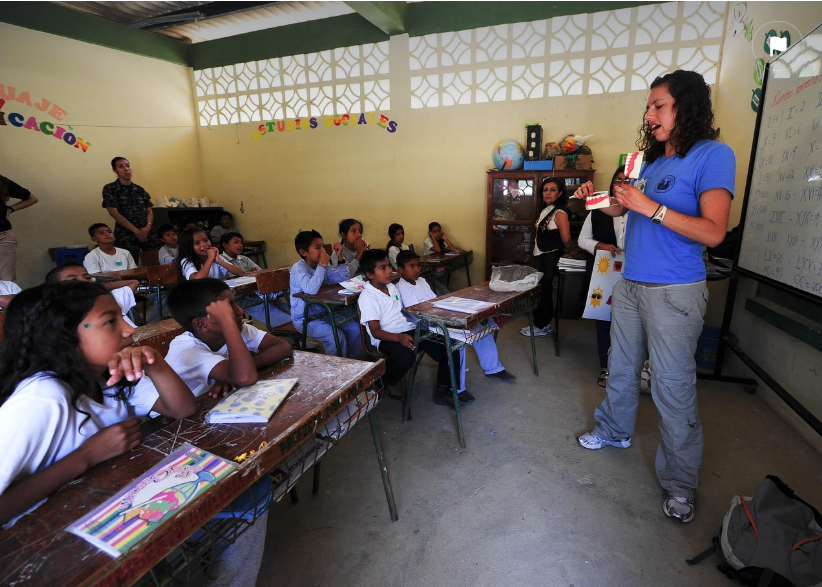
For instance, you could plan regular group discussions and encourage everyone to contribute.
Not only does this promote teamwork. It also helps to nurture self-confidence, enabling would-be relational aggression victims to push back against their aggressors assertively.
6. Teach Assertiveness
Children should learn that it’s okay to say no without hurting the other person’s feelings.
Well, it’s actually better to hurt your friends’ feelings, provided that you humbly decline their invitation to engage in aberrant behaviors.
Assertiveness isn’t about being condescending in speech or conduct. Rather, it’s expressing your thoughts clearly and unambiguously.
7. Manage Online Activity
A great deal of relational bullying occurs online. Therefore, this is a critical area to address.
Check how your teenagers spend their out-of-school hours.
It’s bad enough that the internet consumes every minute of their free time. However, it’s even worse if that period is dedicated to bullying activities.
8. Seek Professional Support
If the above interventions fail despite your best efforts, don’t shy away from enlisting professional help.
Interventions like social-cognitive training can help treat relational aggression that has escalated to toxic levels.
Consult a behavioral therapist and have them recommend the best treatment, which will vary depending on the child’s age and the extent to which their aggression has progressed.

Nipping Relational Aggression in the Bud Through Preventive Training
Relational aggression can have far-reaching emotional and psychological implications if unaddressed. The low self-esteem caused by relational bullying may cause victims to socially isolate, leading to depression.
Perpetrators aren’t spared either. Those who delight in inflicting alternative aggression may struggle with regulating their own emotions, impacting their interpersonal relationships.
Collectively, relational aggression can cause a steady decline in academic performance.
Like other forms of bullying, alternative aggression is best addressed proactively.
Parents and teachers should emphasize emotional training that encourages empathy, cohesiveness, and self-esteem. Enlisting professional support may also help to nip this aberrant behavior in the bud.

