

Sliding behind the wheel for the first time is an exhilarating rite of passage, but driving is more than just a milestone—it’s a serious responsibility that requires skill, knowledge, and unwavering attention. That’s the role of driving school, it helps you transition from being a beginner to a competent driver.
Our comprehensive guide will provide you with practical tips to navigate the roads safely. Whether you’re a first-time driver or looking to brush up on your skills, you’ll learn how to understand road signs and discover defensive driving techniques that can save lives. So, let’s get started on your journey to becoming a skilled and responsible driver.
Excelling at Parallel Parking
Parallel parking is often intimidating for new drivers, but we’ll guide you through this task step by step:
- Find a suitable space: Look for a spot that’s at least 1.5 times the length of your car.
- Signal and position: Activate your turn signal and align your rear wheels with the rear bumper of the car in front of your intended space.
- Back up slowly: Turn your steering wheel sharply towards the curb and slowly reverse until your rear wheel is in line with the rear bumper of the parked car.
- Straighten out: When your car is at a 45-degree angle to the curb, straighten your wheels and continue backing up slowly.
- Turn the other way: Once your rear wheel is about 18 inches from the curb, turn your steering wheel sharply in the opposite direction.
- Straighten and adjust: Slowly straighten your wheels and pull forward or backward to center your car in the space.
“Many new drivers rush the process out of nervousness,” says Sarah Johnson, a driving instructor with 15 years of experience. “Take your time, use your mirrors, and don’t be afraid to start over if needed.”
Techniques for Perfect Parallel Parking
Experienced instructors emphasize the importance of practice and patience. Common mistakes include turning the wheel too early or too late, not checking mirrors frequently enough, and forgetting to signal. Remember, even experienced drivers sometimes need multiple attempts—there’s no shame in trying again.
The Significance of Road Signs
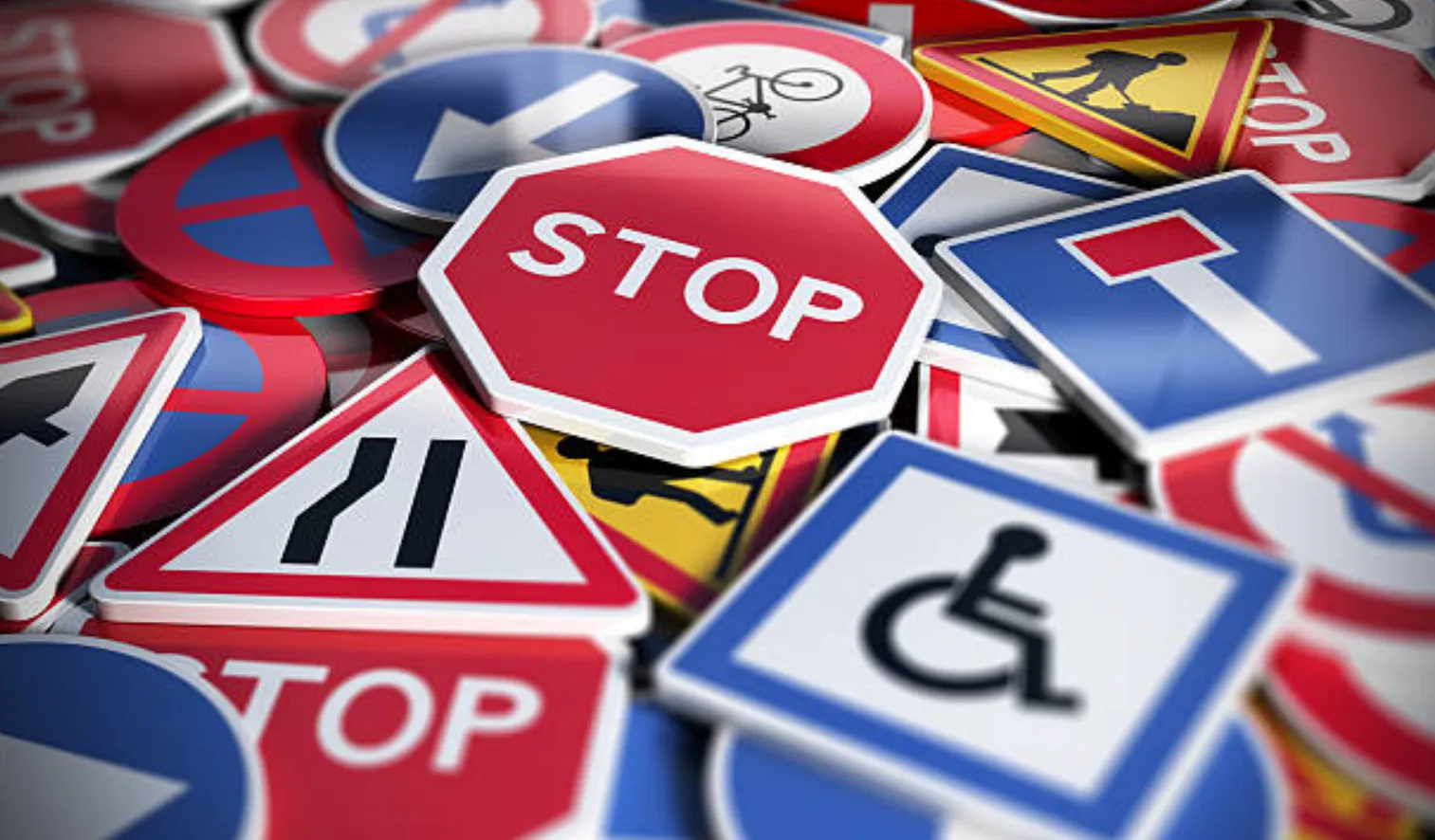
Road signs are the silent sentinels of our highways and byways, providing crucial information to keep traffic flowing smoothly and safely. Knowing these signs isn’t just about passing your driving test—it’s key to being a responsible driver.
Decoding Common Road Signs
Here are some common road signs you should know:
- Stop signs: The iconic octagonal red sign means come to a complete stop, even if you don’t see other vehicles.
- Yield signs: These triangular signs indicate that you must let other traffic pass before proceeding.
- Speed limit signs: These rectangular signs tell you the maximum (or minimum) speed allowed on that stretch of road.
- Warning signs: Usually yellow and diamond-shaped, these alert you to potential hazards ahead.
Ignoring or misunderstanding road signs can have serious consequences. A recent study by a reputable source revealed that misunderstanding road signs is a leading cause of traffic accidents. For more information on road signs and their meanings, Coastline Academy’s driving school program offers comprehensive resources.
How Defensive Driving Can Save Lives
Defensive driving is a set of skills and attitudes that go beyond basic traffic rules. It’s about anticipating potential hazards and making well-informed decisions to avoid accidents. Defensive driving means always being prepared for the unexpected.
Key defensive driving techniques include:
- Maintaining a safe following distance: The “three-second rule” is a good guideline.
- Scanning the road ahead: Look for potential hazards 12-15 seconds ahead of your vehicle.
- Checking your mirrors frequently: Be aware of vehicles in your blind spots.
- Avoiding distractions: Put away your phone and focus solely on driving.
- Adjusting to weather conditions: Slow down and increase following distance in rain or snow.
Defensive driving techniques, as outlined by safety experts, can significantly reduce the risk of accidents. For instance, a driver who maintains a safe following distance is less likely to rear-end the car in front if it stops suddenly. As crossover vehicles become more popular, it’s crucial to remember that technology should never replace defensive driving skills.
“Defensive driving is about creating a mindset where safety is always the top priority,” says Lisa Chen, a traffic safety researcher. “This approach protects you and makes the roads safer for everyone.”
Many driving schools offer specialized defensive driving courses with hands-on experience and personalized feedback.
Starting Your Journey to Safe Driving
As we’ve seen, being a safe driver means learning a lot of skills—from handling a car to the finer points of defensive driving. The skills and knowledge you gain at driving school will serve you every time you get behind the wheel, potentially saving lives and making our roads safer.
We encourage all readers to seek personalized advice and further training. Driving is a skill that can always be improved upon. Stay curious, stay alert, and stay safe on the roads. Your journey to becoming a skilled, responsible driver starts here.

