

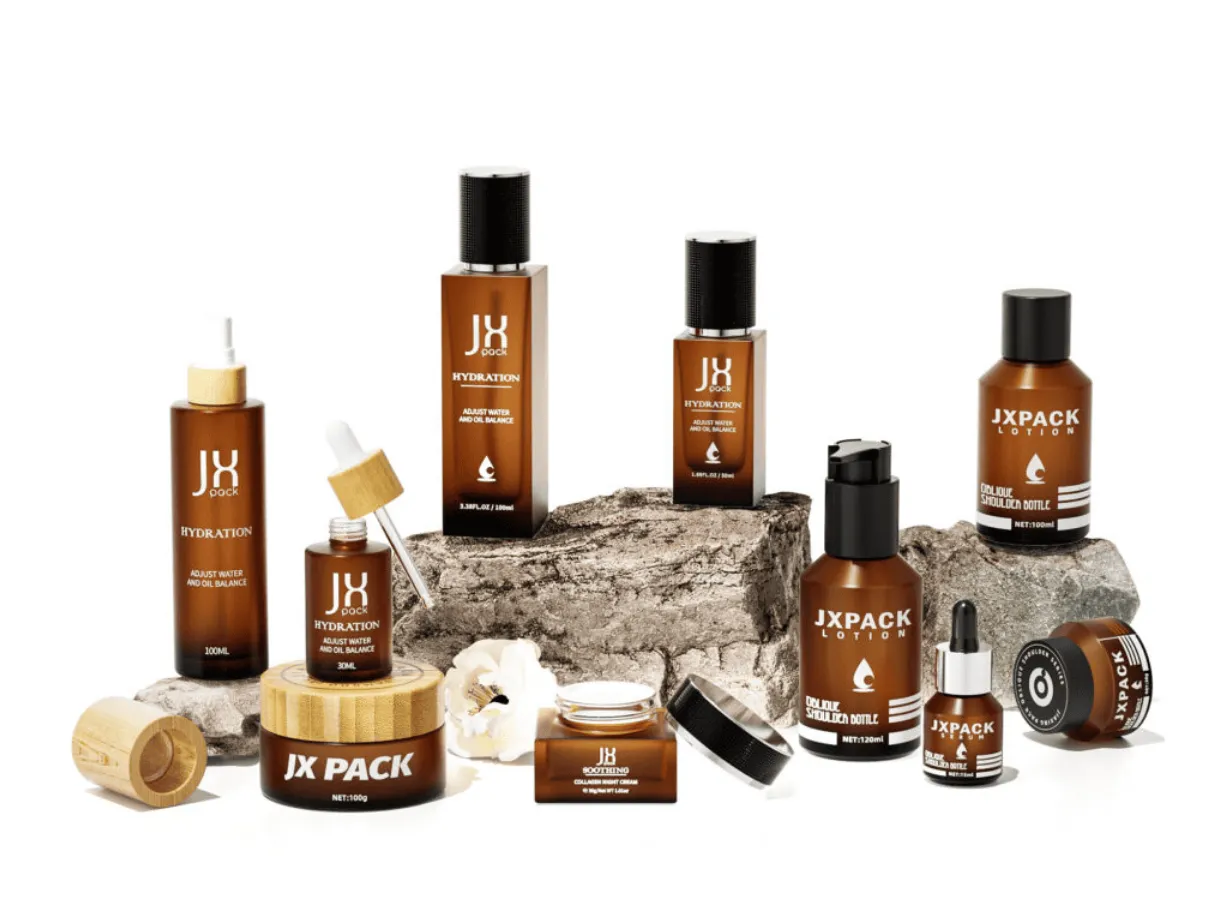
In an age where climate change and environmental preservation dominate global conversations, the beauty industry is stepping up. Consumers are no longer just interested in how a product looks or feels—they’re demanding sustainability at every level, especially when it comes to packaging. Cosmetic containers, once a symbol of luxury and indulgence, are undergoing a major green makeover. Today, we explore eco-conscious options that not only reduce waste but help the beauty world look as good on the outside as it does on the inside.
Why Packaging Matters in the Beauty Industry
The beauty industry produces over 120 billion units of packaging every year, much of which ends up in landfills or the ocean. Traditional cosmetic containers made from mixed plastics and non-recyclable materials contribute heavily to pollution. These items take hundreds of years to decompose, harming marine life and ecosystems in the process.
Consumers are increasingly aware of this environmental cost. As a result, brands are shifting toward packaging solutions that are reusable, recyclable, biodegradable, or refillable—prioritizing not just aesthetics, but responsibility.
Eco-Conscious Container Options
Let’s take a look at the sustainable packaging solutions reshaping the beauty industry:
1. Glass Containers
Glass is a frontrunner in sustainable beauty packaging. It’s non-toxic, 100% recyclable, and can be reused endlessly without losing purity or quality. Many high-end brands are returning to glass jars and bottles for creams, serums, and perfumes due to its durability and premium feel.
Pros: Fully recyclable, non-reactive, luxurious appearance
Cons: Heavier to ship, breakable
2. Aluminum and Metal Tins
Aluminum is another eco-friendly option that’s lightweight, rust-resistant, and highly recyclable. Metal tins are widely used for lip balms, solid perfumes, and body butters. These containers are sturdy and often stylish, making them ideal for reuse.
Pros: Recyclable, durable, lightweight
Cons: May dent easily, not suitable for all product types
3. Bioplastics
Derived from renewable sources like cornstarch, sugarcane, or bamboo, bioplastics offer a promising alternative to petroleum-based plastics. These containers are designed to break down more quickly under the right composting conditions.
Pros: Made from renewable resources, compostable under certain conditions
Cons: Requires industrial composting, limited recycling infrastructure
4. Refillable Systems
Refillable containers are a game-changer. Brands like Fenty Beauty and Kjaer Weis offer sleek refillable cases for lipsticks, powders, and more. Instead of tossing the whole product, users only replace the inner cartridge.
Pros: Waste reduction, long-term cost-effective
Cons: Initial packaging may still involve plastic, availability may vary
5. Post-Consumer Recycled (PCR) Plastics
Though not without limitations, post-consumer recycled (PCR) plastics offer a valuable step toward circular sustainability by repurposing existing plastic waste. Many cosmetic brands are turning to PCR packaging to minimize reliance on virgin materials, ultimately lowering energy consumption and carbon emissions. Injection molding companies are increasingly playing a crucial role in this shift, developing innovative ways to incorporate PCR plastics into high-quality cosmetic containers without compromising durability or aesthetics.
Pros: Utilizes existing materials, lowers carbon footprint
Cons: Limited recyclability after multiple uses
6. Bamboo Packaging
Bamboo is fast-growing, biodegradable, and strong—making it a fantastic material for sustainable packaging. It’s increasingly used for makeup compacts, brush handles, and lids.
Pros: Biodegradable, renewable, natural appeal
Cons: Often combined with plastic interiors, limited waterproofing
What Consumers Can Do
While companies hold much of the responsibility, consumers play a key role too. Here are a few steps you can take to support sustainability in beauty:
- Choose refillable or recyclable options whenever possible.
- Support brands with transparent sustainability practices and eco-friendly certifications.
- Recycle containers properly by cleaning and sorting them according to local guidelines.
- Repurpose cosmetic jars and bottles for DIY projects, storage, or décor.
- Buy in bulk or opt for minimal packaging to reduce overall waste.
Looking Ahead: Innovation in Eco-Beauty
As technology advances, so do the possibilities for sustainable packaging. Innovations such as mushroom-based packaging, dissolvable pods, and smart packaging that tracks environmental impact are already in development. Brands are also exploring minimalist packaging designs that use fewer materials and rely on digital tools (like QR codes) for product info instead of paper inserts.
Final Thoughts
Sustainability in beauty isn’t a passing trend—it’s a necessary transformation. By embracing eco-conscious cosmetic containers, the industry can reduce its environmental footprint without sacrificing style or performance. Whether you’re a beauty brand looking to innovate or a consumer aiming to make greener choices, the options are growing—and they’re more beautiful than ever.

