

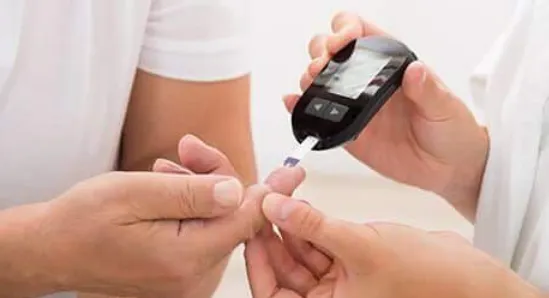
Telemedicine is transforming chronic care management by making it more efficient, accessible, and patient-focused. Through remote monitoring, virtual consultations, and data-driven tools, managing conditions like diabetes, hypertension, and asthma is easier than ever. This blog explores the benefits of telemedicine, how it works, and its impact on patients and healthcare providers.
How Telemedicine Is Changing the Landscape of Chronic Care
What Is Telemedicine?
Before we discuss its impact, it’s important to define telemedicine. Telemedicine refers to the remote delivery of healthcare services using digital communication tools like video calls, phone calls, and mobile apps. This approach eliminates the need for patients to visit a clinic or hospital unless absolutely necessary.
For chronic conditions, telemedicine transcends the occasional video consultation. It creates a continuous link between patients and their care teams, facilitating proactive management. Tools like real-time health trackers, remote monitoring devices, and secure online communication channels are pivotal in bridging this gap.
Why Traditional Chronic Care Management Faces Limitations
Managing chronic conditions involves more than just attending doctor appointments. It requires constant monitoring of symptoms, maintaining medication regimens, following diet plans, and more. For patients, this process often means frequent visits to clinics, long wait times, and repeated lab work-ups.
Healthcare providers also face challenges, including high patient volume, limited time for personalized care, and piles of documentation. These hurdles can lead to fragmented care, delayed interventions, and higher risks of complications.
Telemedicine directly addresses these challenges, offering personalized, efficient, and accessible options for both patients and doctors.
Benefits of Telemedicine for Managing Chronic Conditions
1. Improved Access to Care
Telemedicine removes geographical barriers, making healthcare accessible to people in remote or underserved areas. Patients no longer have to travel long distances or take time off work to see a specialist. Chronic care patients, particularly those with mobility issues, benefit immensely from being able to connect with their providers from home.
Data Spotlight: According to a report by The World Health Organization (WHO), telemedicine has increased healthcare access by over 75% in rural communities globally.
2. Continuous Monitoring With Smart Devices
Wearable health devices, such as glucose monitors, blood pressure cuffs, and heart rate trackers, now integrate seamlessly with telemedicine platforms. These devices allow real-time data sharing between patients and healthcare providers.
Instead of relying solely on scheduled checkups, doctors receive a steady stream of health data, enabling them to identify warning signs early and intervene before conditions worsen.
Example: A patient with hypertension can use a Bluetooth-connected blood pressure monitor that syncs their readings to their doctor’s portal. If a spike is detected, their physician can adjust medications remotely or recommend immediate steps to prevent complications.
3. Personalized Feedback and Education
Managing a chronic condition can be overwhelming. Telemedicine platforms often provide educational resources tailored to individual patients. These platforms can deliver diet plans, exercise routines, and medication reminders directly to patients’ smartphones, empowering them to take charge of their health.
Doctors also use telemedicine to offer timely advice and personalized feedback, building trust and fostering a stronger patient-provider relationship.
4. Reduced Healthcare Costs
Telemedicine reduces both direct and indirect medical costs. For patients, fewer hospital visits translate to lower transportation, accommodation, and time-loss expenses. For providers, telehealth reduces administrative overhead and minimizes no-shows.
Research by The American Journal of Managed Care revealed that remote chronic care management can save healthcare systems over $6,500 per patient annually by reducing hospital readmissions and ER visits.
5. Enhanced Patient Engagement
Telemedicine makes it easier for patients to stay engaged in their care. Tools like patient portals, often offered by EHR companies, allow users to access their medical records, communicate securely with providers, and stay up to date on treatment plans. The convenience of digital tools results in better adherence to medication schedules, diet plans, and physical activity recommendations.
How Does Telemedicine Work for Chronic Care?
Step 1: Virtual Consultations
Virtual consultations are at the heart of telemedicine. Using a secure video conferencing platform, patients can discuss symptoms, receive diagnoses, and have medications prescribed without stepping into a clinic.
Step 2: Remote Monitoring
Patients use wearable devices or home-based diagnostic tools to capture and share health metrics with their providers in real time. For example, patients with diabetes might use glucose meters that sync directly to their doctor’s app.
Step 3: Data-Driven Adjustments
The data collected via remote monitoring is analyzed to adjust treatment plans swiftly. If an anomaly is detected, such as a drop in oxygen levels in COPD patients, providers can intervene immediately, preventing costly and dangerous complications.
Step 4: Follow-Up and Support
Telemedicine platforms enable seamless follow-ups via messaging, calls, or apps. This ongoing communication ensures treatments are effective and allows for swift troubleshooting when patients have questions or concerns.
Conclusion
Telemedicine isn’t just a modern healthcare trend; it’s a movement that’s here to stay. With advancements in artificial intelligence, predictive analytics, and integrated health records, telemedicine promises to become even more effective at improving chronic care management

