

Renting a boat is one of the best ways to enjoy a day out on the water, mainly when relying on services like Chicago boat rentals, which offer a wide range of vessels for all kinds of activities. But what happens when something goes wrong? While most rental experiences go smoothly, it’s essential to understand the steps involved if your rental boat breaks down. Preparing for such scenarios can help reduce stress and ensure safety during unexpected situations.
Immediate Safety Comes First
Safety is the first and most important thing to consider during a boat breakdown. Stop the boat immediately and ensure all passengers wear life jackets. If you’re in open water or near a busy channel, try to position the boat so it’s out of harm’s way. Drop anchor if necessary to prevent drifting into dangerous areas like rocks, shallow waters, or other vessels. Communication with your party is also crucial—calmly inform everyone of the situation and advise them to stay seated and alert.
Contact the Rental Company
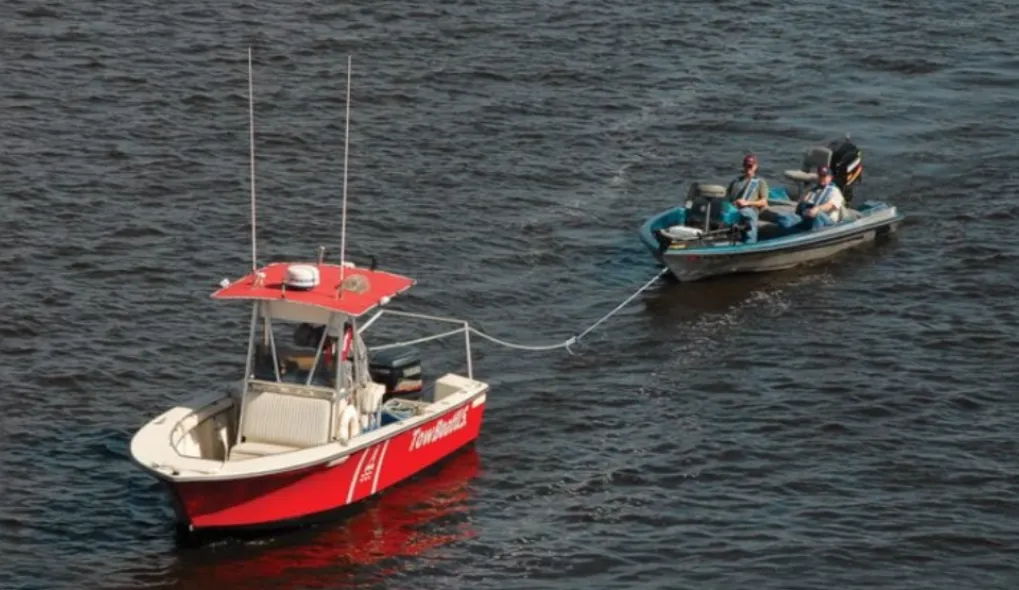
Once everyone is safe and secure, the next step is to contact the rental company. Most rental providers include emergency contact numbers or onboard documentation in your rental agreement. Call them immediately and explain the issue clearly—whether it’s engine trouble, electrical failure, or steering problems. Reliable companies often have support teams ready to assist; many will send rescue boats or technicians to your location.
This is also why choosing a rental provider with a good reputation is essential. Services like boat inspection apps (external link) can sometimes help you understand the condition of a boat before renting, or check what others have said about the vessel’s maintenance history.
Use Marine Communication Tools
Many rental boats are equipped with VHF marine radios, especially if you’re going offshore. These radios allow you to call for help using standardized distress channels. A VHF radio can be a critical backup if your phone has no signal or the battery dies. You can also use it to contact the Coast Guard or nearby boats for assistance, especially if the breakdown poses a threat or leaves you stranded in a high-risk area.
Know the Terms of the Rental Agreement
Before setting out, always review the rental agreement carefully. Most agreements include clauses outlining what happens in the event of a breakdown. Some companies may offer a replacement boat if the issue occurs early in the rental period. Others may provide a partial or full refund depending on the severity and timing of the incident. Knowing your rights and responsibilities in advance can help you make informed decisions when things go awry.
The rental agreement may also detail what to do if you abandon the trip early due to mechanical failure. Remember that user negligence—like ignoring warning signs or overloading the boat—can affect whether or not you’re eligible for a refund.
Basic Troubleshooting Steps
Sometimes, the issue might be minor and can be resolved without outside help. For example, a simple problem like a dead battery may be fixed with an onboard backup or jump starter, if provided. Fuel mismanagement is another common cause of breakdowns, so checking the fuel levels and ensuring the fuel valve is open might solve the problem.
However, never attempt repairs unless you’re confident and authorized. Unauthorized tampering can void the agreement or worsen the issue.
Prepare for Delays
Prepare for delays once you’ve reported the problem and await assistance. Bring extra food, water, sunscreen, and protective clothing in case you’re stuck for longer than expected. If you’re on a rental for the whole day or longer, consider creating a basic emergency kit beforehand, including a flashlight, whistle, waterproof bags, and portable phone charger.
Prevention Is Better Than Cure
One of the best ways to avoid a breakdown is by taking preventive measures. Before you leave the dock, do a basic inspection of the boat—look for visible damage, ask about maintenance history, and confirm the presence of safety gear. Also, choose well-rated rental companies that maintain their fleets to a high standard. Being proactive can significantly reduce your chances of encountering trouble during your trip.
Final Thoughts
While a boat breakdown is never ideal, it doesn’t have to ruin your day. With a focus on safety, prompt communication, and awareness of your rental agreement, you can navigate the situation calmly and effectively. Most importantly, choosing a reputable rental service and being prepared in advance can turn a potential crisis into a minor hiccup in your water adventure.

