


As digital art workflows become more dynamic and immersive, the best drawing tablet in 2025 is no longer defined solely by pen pressure or screen resolution — touch and gesture support has become a game-changer for digital creators. Artists now expect the ability to zoom, pan, rotate, and navigate with intuitive finger gestures, mimicking the freedom of working with physical media.
In this article, we explore the top drawing tablets that offer robust touch and gesture functionality, including a standout product from XPPen, and compare them with industry leaders like Wacom, Huion, and Apple.
Why Touch and Gesture Support Matters in 2025
Touch and gesture support enhances digital artistry in several significant ways:
- Natural Interaction: Artists can manipulate the canvas with their fingers just like physical sketching, improving flow and reducing reliance on keyboard shortcuts.
- Increased Efficiency: Panning and zooming become seamless, allowing creators to focus more on creative decisions rather than UI navigation.
- Better Ergonomics: Reduces hand fatigue from repetitive pen-only interactions.
- Modern Compatibility: Many creative apps now include gesture-based tools, from Procreate and Photoshop to Clip Studio Paint.
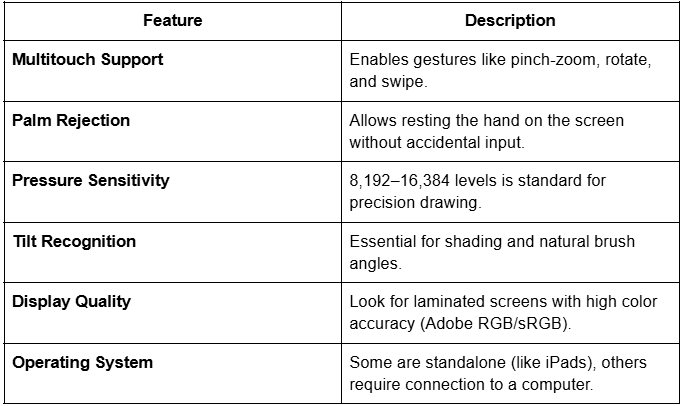
What to Look for in the Best Drawing Tablet with Gesture Support
When evaluating touch-capable drawing tablets, consider the following:
XPPen Magic Drawing Pad — A Portable Powerhouse with Touch
The XPPen Magic Drawing Pad stands out as a rare Android-based standalone drawing tablet that offers both multi-touch functionality and professional stylus performance.
Key Features:
- Touch Support: Allows for gestures like zoom, rotate, and pan, enhancing real-time interaction with the canvas.
- X3 Pro Stylus: Delivers an industry-leading 16,384 pressure levels with tilt support and ultra-low activation force.
- 2.5K QHD display: Crisp visuals with excellent color accuracy.
- Runs Android 12: Access to a wide range of creative apps including Nomad Sculpt, Sketchbook, and Concepts.
- Portable & Standalone: No PC needed, perfect for drawing on the go.
Why it matters: This tablet combines mobility and touch-gesture control in a way that rivals even mainstream tablets, while still offering a professional-grade stylus experience that surpasses most Android or iPad drawing apps in terms of pressure sensitivity.
Competitor Comparison
Let’s see how the XPPen Magic Drawing Pad compares with other top-tier drawing tablets that support touch in 2025.
1. Wacom Cintiq Pro 16 (2023–2025 Version)
Wacom continues to be the gold standard for professional drawing tablets. The Cintiq Pro 16 includes:
- 10-point multi-touch support
- Wacom Pro Pen 3 with 8,192 levels of pressure and 60° tilt
- 4K resolution with 98% Adobe RGB color gamut
- Requires connection to a PC or Mac
Pro
- Highly accurate pen + touch response
- Exceptional build quality and color precision
- Excellent palm rejection
Cons:
- Very expensive
- Not portable — must be tethered to a computer
Verdict: The Cintiq Pro 16 is ideal for professionals in a studio setting who demand uncompromising quality, but it lacks the portability of the XPPen Magic Drawing Pad.
2. Apple iPad Pro 12.9” with Apple Pencil (M4 Chip)
The iPad Pro continues to blur the lines between tablet and laptop, especially for digital artists using apps like Procreate or Affinity Designer.
Features:
- Full multi-touch support and fluid gesture controls
- Apple Pencil Pro with tilt, pressure, and haptic feedback
- Liquid Retina XDR display, 120Hz refresh
- Standalone device, ultra-slim and powerful
Pros:
- Best-in-class gesture responsiveness
- App ecosystem is unmatched
- Great for hybrid creators (video, photo, design)
Cons:
- Apple Pencil pressure sensitivity is not industry-standard
- Some software lacks full desktop features
- Higher cost for accessories and storage upgrades
Verdict: The iPad Pro is the best drawing tablet for users who prioritize mobility and an all-in-one device — but it may not match the raw pen performance of XPPen or Wacom’s professional styluses.
3. Huion Kamvas Pro 24 (Touch Version)
Huion’s Kamvas Pro 24 is a large-format pen display with multi-touch support designed for creators needing a big canvas.
Features:
- 24” laminated screen, 2.5K resolution
- 10-point multi-touch gestures
- Battery-free PenTech 3.0 stylus, 8,192 pressure levels
- 98% Adobe RGB
- Requires PC connection
Pros:
- Massive, high-quality display
- Responsive touch gestures and stylus input
- More affordable than Wacom equivalents
Cons:
- Not portable
- Setup can be bulky
- Some reported driver inconsistencies on macOS
Verdict: A great budget alternative for large studio spaces, but lacks standalone mobility like the XPPen Magic Drawing Pad or iPad Pro.
Final Thoughts: Which Is the Best Drawing Tablet with Touch?
Ultimately, the best drawing tablet with touch and gesture support in 2025 depends on your workflow, budget, and creative goals:
- Choose the XPPen Magic Drawing Pad if you need a portable, Android-based, professional-grade device with both high stylus sensitivity and multitouch gestures. It offers the best value for artists on the move.
- Opt for the Wacom Cintiq Pro 16 if you’re a full-time professional needing top-tier color, resolution, and refined gestures in a studio.
- Pick the iPad Pro if you want a powerful, flexible device that doubles as a sketchbook, media tool, and mobile workstation.
- Go for Huion Kamvas Pro 24 if you want the largest screen possible with touch capability at a more accessible price point.
In 2025, touch support isn’t just a luxury—it’s a standard that every serious drawing tablet should offer. Whether you’re a hobbyist, a freelance illustrator, or a seasoned concept artist, integrating intuitive gestures into your creative workflow will elevate your art experience like never before.
Choose the tablet that aligns with your vision—and let your fingers guide your imagination.

